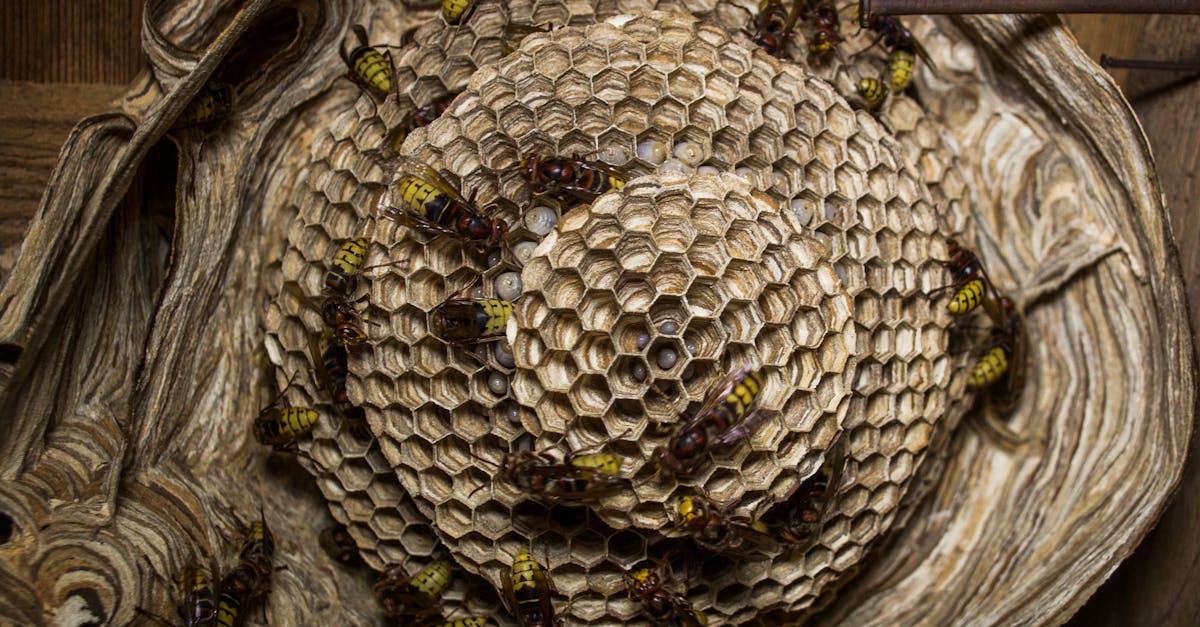
Detailed view of a wasp nest with wasps actively building and maintaining the structure.

Safe, Professional Nest Removal

Bee & Wasp Removal in Jersey City, NJ

Found a nest? Don't touch it. We'll remove it safely — same-day service available.

Common Stinging Insects in Jersey City

Knowing what you're dealing with helps us provide the safest, most effective treatment. Here are the stinging insects we encounter most often in Jersey City homes and businesses.

Yellow Jackets

Aggressive wasps that nest in the ground or wall voids. Common at outdoor dining areas and garbage receptacles. They can sting multiple times and will defend their nest vigorously.
Paper Wasps

Build open, umbrella-shaped nests under eaves, decks, and railings. Less aggressive than yellow jackets but will sting if threatened. Their exposed nests make them easier to identify.

Bald-Faced Hornets

Large, aggressive wasps that build enclosed paper nests in trees, bushes, and on building exteriors. Their nests can grow to basketball size and house hundreds of insects.

Carpenter Bees

Large, solitary bees that bore perfectly round holes into wood to lay eggs. Can damage decks, siding, and fascia boards over time. Males buzz aggressively but cannot sting.

Honey Bees

Beneficial pollinators protected by law in many areas. We work with local beekeepers to relocate colonies whenever possible rather than exterminating. Only treated when relocation isn't feasible.

Never DIY Removal

Multiple stings from aggressive species can be dangerous, especially for those with allergies. Professional removal protects your family and ensures complete elimination of the threat.
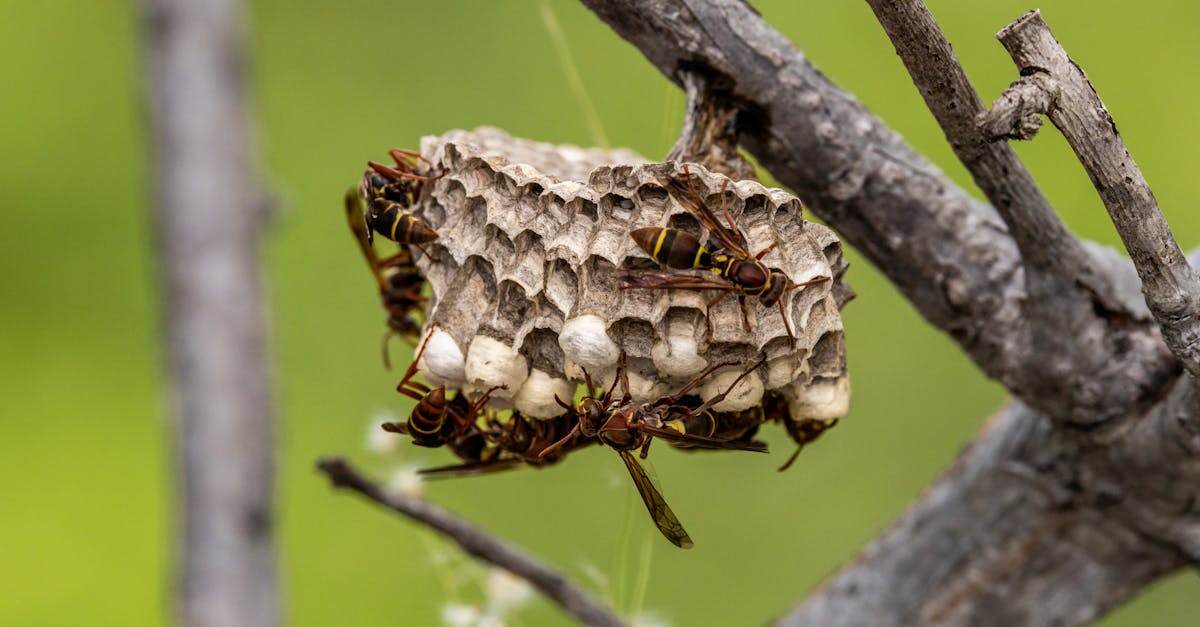
Close-up of a paper wasp nest on a tree branch with wasps visible.
Our Process

Safe, Professional Nest Removal

When you call JC Pest Shield for bee or wasp removal, we follow a proven process that keeps your family safe while effectively eliminating the problem.

**Species Assessment & Location Inspection**
Our technician first identifies the exact species and locates the nest. Different stinging insects require different approaches, and nest location affects how we access and treat it.

**Appropriate Treatment Method**
Based on the species, we determine the best course of action. Yellow jackets, paper wasps, and hornets typically receive treatment and nest removal. Honey bees are evaluated for relocation with local beekeepers when possible.

**Physical Nest Removal**
We don't just treat the insects—we physically remove the nest structure. This prevents the same colony from returning and eliminates the pheromone traces that might attract new colonies.

**Area Treatment & Prevention**
After removal, we treat the area with deterrents to discourage rebuilding. For problem areas, we can install physical barriers or recommend structural modifications.

**Emergency Service Available**
Nests near doorways, play areas, or high-traffic spots require immediate attention. We offer same-day emergency service for dangerous situations.

We believe in protecting beneficial pollinators. When we can safely relocate honey bees, we do. Our commitment to environmentally responsible pest control means we only exterminate when necessary for safety.

When You Should Call a Professional

Don't wait until someone gets stung. Call JC Pest Shield immediately if you notice any of these situations:

Nest Near Entry Points

The nest is located near a doorway, window, deck, or anywhere people regularly walk. Even docile species become defensive when their nest is disturbed by daily activity.

Household Allergies

Someone in your household has a known bee or wasp allergy. For allergic individuals, a single sting can trigger a life-threatening reaction. Professional removal eliminates this risk.

Large or Unidentified Nest

The nest is larger than a softball, or you're unsure what species you're dealing with. Larger nests house more insects and pose greater risk. Identification ensures proper treatment.

Increasing Activity

You've noticed more and more wasps or bees around your property over time. This usually indicates a growing colony that will only become more problematic as summer progresses.

Bee & Wasp Removal FAQs

Get answers to common questions about our stinging insect control services.

We relocate honey bees whenever possible. They're important pollinators and protected in many areas. Our technicians are trained to identify honey bees and work with local beekeepers to safely relocate colonies when feasible.
We offer same-day service for emergency nest removal, especially when the nest poses an immediate danger near doorways, play areas, or high-traffic spots. Call (201) 885-6460 for urgent assistance.
We remove the physical nest and treat the area to discourage rebuilding. However, wasps may attempt to build new nests in the same general area. Seasonal inspections and preventative treatments help keep your property nest-free throughout the warm months.
Never try to remove a nest yourself. Multiple stings from aggressive species like yellow jackets or hornets can be dangerous, especially for those with allergies. Professional removal ensures the job is done safely and thoroughly.
Our technicians can identify the species during inspection. Yellow jackets are aggressive with distinctive black and yellow markings. Paper wasps have slender bodies and build open nests. Hornets are larger and build enclosed paper nests. Honey bees are fuzzy and golden-brown.
A small nest today becomes a big problem next month. Wasp colonies grow rapidly through the summer, and what starts as a few insects can turn into hundreds by August. Early intervention is safer, easier, and more cost-effective.

Don't risk getting stung trying to handle it yourself. Multiple stings from aggressive yellow jackets or hornets can send you to the emergency room—especially if you have allergies. Professional removal protects your family and ensures the job is done right the first time.

Call JC Pest Shield for Safe, Professional Nest Removal

Same-day service available for dangerous nests near your home or business.

Call (201) 885-6460 Now