Signs of Bed Bugs in Jersey City Apartments — What to Look For
Think You Have Bed Bugs? Here's How to Tell
If you're reading this at 2am because you're itching and paranoid, you're not alone. Bed bugs are one of the most stressful pest problems Jersey City residents face — and the anxiety often starts before you're even sure you have them.
This guide covers the definitive signs of bed bugs, common lookalikes to rule out, and when to call for professional bed bug extermination. Early detection is critical — catching an infestation early can mean the difference between a targeted treatment and a months-long battle.
The Telltale Signs of Bed Bugs
1. Bite Patterns
Bed bug bites often appear in distinctive patterns:
- Clusters or lines: Bed bugs "breakfast, lunch, and dinner" feeding pattern creates three bites in a row
- Exposed skin areas: Bites typically appear on arms, shoulders, neck, face, and legs — areas not covered by pajamas
- Itchy welts: Raised, red bumps that itch intensely, often appearing overnight
Important caveat: Not everyone reacts to bed bug bites. About 30% of people show no visible reaction, so lack of bites doesn't mean you're in the clear.
2. Physical Evidence on Bedding
Inspect your sheets, mattress, and box spring for these signs:
- Rusty or reddish stains: Blood spots from crushed bed bugs
- Dark spots (about this size: •): Bed bug excrement that may bleed on fabric like a marker
- Tiny eggs and eggshells: Pale yellow skins that nymphs shed as they grow
- Live bed bugs: Adults are about the size of an apple seed (5-7mm), reddish-brown, and flat
3. Musty, Sweet Odor
Large infestations produce a distinctive musty, sweet smell often described as "rotting raspberries" or "coriander." If you notice this odor in your bedroom, you likely have a significant bed bug population.
Where to Look: Bed Bug Hiding Spots
Bed bugs hide during the day and emerge at night to feed. They're surprisingly good at concealment, so inspect these areas thoroughly:
Primary Hiding Places
- Mattress seams and tags
- Box springs (especially corners and along the wood frame)
- Bed frame cracks and crevices
- Headboard joints and screw holes
- Baseboards and electrical outlets near the bed
Secondary Locations
- Nightstands and dressers (check drawer joints)
- Loose wallpaper and wall hangings
- Carpet edges and tack strips
- Upholstered furniture (sofas, chairs)
- Clothing and clutter near sleeping areas
- Luggage and bags
Common Bed Bug Lookalikes
Before panicking, rule out these common insects that are often mistaken for bed bugs:
Carpet Beetles
Small, round beetles that don't bite but can cause allergic reactions. They're attracted to fabrics and natural fibers, not blood.
Spider Beetles
Dark, round beetles with long legs. They feed on stored products and debris, not humans.
Fleas
Smaller than bed bugs and capable of jumping. Flea bites usually concentrate around ankles and lower legs, especially if you have pets.
Mosquito Bites
Random, isolated bites (not in lines or clusters) that appear after spending time outdoors. Mosquitoes don't leave physical evidence in your home.
Scabies
A skin condition caused by mites, not insects in your home. Requires medical treatment, not pest control.
How Bed Bugs Spread in Jersey City
Understanding how infestations start helps with prevention:
- Travel: Hotels, public transportation, and even ride-shares can harbor bed bugs that hitchhike home in luggage
- Secondhand furniture: That free couch or thrift store find might come with unwanted guests
- Shared walls: In apartment buildings, bed bugs travel through wall voids and electrical outlets between units
- Visitors: Guests can unknowingly bring bed bugs from their infested homes
What to Do If You Suspect Bed Bugs
Immediate Steps
- Don't panic: Bed bugs don't transmit disease, and effective treatment exists
- Inspect thoroughly: Use a flashlight and credit card to check seams and crevices
- Document evidence: Take clear photos of any bugs, eggs, or fecal spots
- Don't sleep in a different room: This can spread the infestation
- Don't move furniture: This can scatter bed bugs to new areas
Avoid Common Mistakes
- Don't use over-the-counter bug bombs or foggers: These scatter bed bugs and make treatment harder
- Don't discard furniture prematurely: Most items can be treated and saved
- Don't rely on DIY treatments alone: Professional bed bug treatment is almost always necessary
When to Call a Professional
Bed bugs are one pest where DIY treatment rarely succeeds. Here's when to call professional bed bug exterminators:
- You've found live bed bugs, eggs, or fecal spots
- Bite patterns are consistent with bed bug feeding
- DIY treatments haven't eliminated the problem after 2-3 weeks
- You live in an apartment building (building-wide treatment may be needed)
- You need documentation for a landlord or property manager
Professional extermination offers advantages that DIY methods can't match:
- Proper identification: Confirming bed bugs vs. lookalikes
- Heat treatment: Kills all life stages in a single day
- Comprehensive approach: Treating the entire infestation, not just visible bugs
- Follow-up monitoring: Ensuring complete elimination
- Prevention guidance: Keeping them from returning
Professional Bed Bug Treatment Options
Heat Treatment
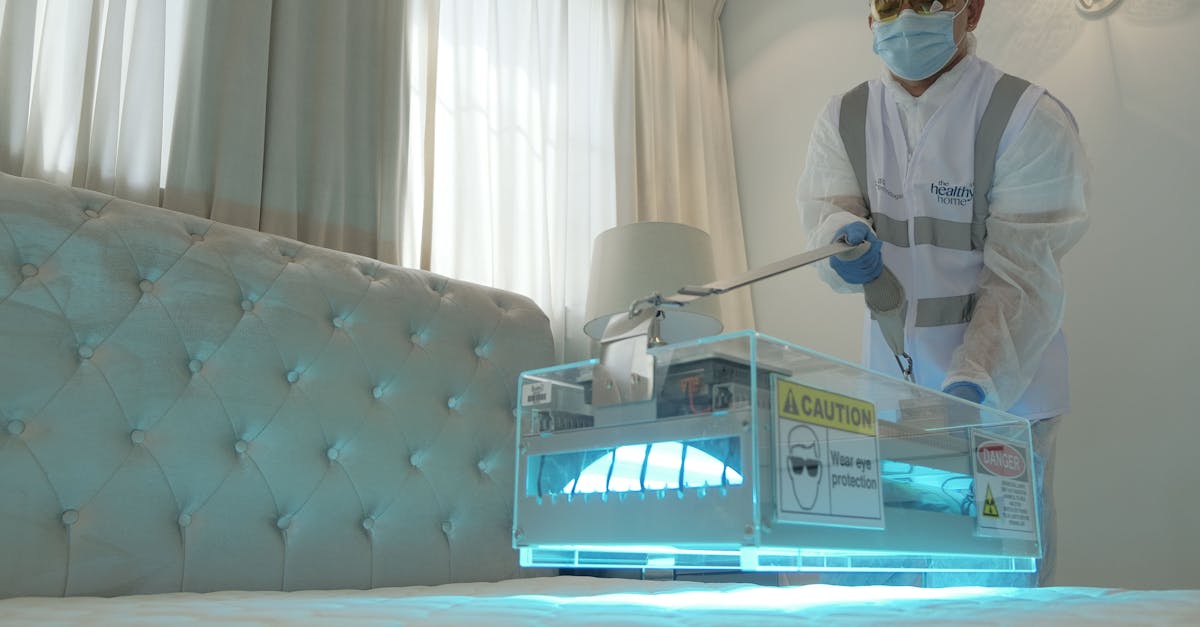
The gold standard for bed bug elimination. Specialized equipment heats infested areas to 120-140°F, killing bed bugs at all life stages in a single treatment. No chemicals, minimal preparation, and you can return to your home the same day.
Chemical Treatment
Professional-grade insecticides applied to harborage areas. Usually requires 2-3 treatments spaced 2 weeks apart to eliminate newly hatched nymphs. Less expensive than heat but takes longer.
Integrated Approach
Combination of treatment methods tailored to your specific situation — heat for severe infestations, targeted chemical applications, steam treatment for furniture, and monitoring devices for ongoing surveillance.
Protecting Yourself After Travel
Given Jersey City's proximity to major travel hubs, prevention is especially important:
- Inspect hotel mattresses and headboards before unpacking
- Keep luggage on racks, not on beds or floors
- Wash and dry travel clothes on high heat immediately upon returning home
- Inspect luggage before bringing it into your bedroom
Working With Your Landlord
In Jersey City rentals, bed bug responsibilities vary:
- New Jersey law requires landlords to maintain habitable conditions
- Tenants should report suspected infestations immediately in writing
- Cooperation between tenants and landlords leads to faster resolution
- Professional documentation helps establish treatment timelines
Conclusion
Bed bugs are stressful, but they're also treatable. The key is early detection, proper identification, and professional intervention. If you're seeing signs of bed bugs in your Jersey City home or apartment, don't wait — the problem won't resolve on its own.
Contact JC Pest Shield for a confidential bed bug inspection and treatment plan. We understand the sensitivity of bed bug issues and provide discreet, effective service to get you back to sleeping peacefully.