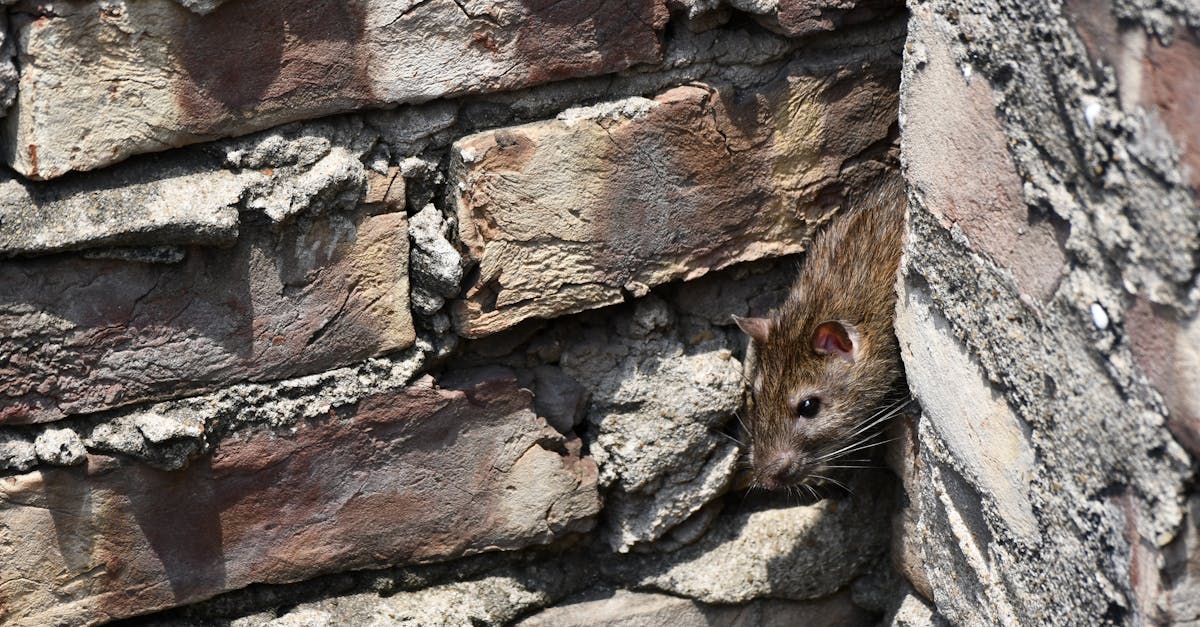
A close-up image of a rat peeking from a brick wall outdoors.

Jersey City Pest Control Blog

Why Jersey City Has a Rodent Problem — And What You Can Do About It

If you live in Jersey City, you've probably seen them — darting across a sidewalk at night, spotted in an alley, or worse, heard scratching inside your walls. The rodent problem in Jersey City is real, and it's getting worse. This isn't just perception or a few isolated complaints. From Downtown to The Heights, rats and mice have become an unwelcome part of city life. But why is this happening here, and why now? Let's talk about the factors driving Jersey City's rodent problem — and more importantly, what you can actually do to protect your home and family.

Why Jersey City Is a Paradise for Rodents

Jersey City has become ideal habitat for rats and mice. Understanding why rodents thrive here is the first step toward protecting your property. Several interconnected factors have created perfect conditions for rodent populations to explode.

### Construction Boom

Massive development along the waterfront and throughout downtown Jersey City has displaced countless rat colonies. When bulldozers destroy old warehouses, vacant lots, and industrial sites, rats don't simply disappear — they migrate. These displaced rodents move into nearby homes, apartment buildings, and commercial properties seeking new shelter. If you've noticed more rodent activity after new construction started in your neighborhood, this is exactly why.

### Urban Density

With over 280,000 residents packed into just 21 square miles, Jersey City is one of the most densely populated areas in New Jersey. More people means more food waste — from restaurant scraps to residential garbage to food left in public spaces. Rodents are opportunistic survivors, and Jersey City's density provides an endless buffet.

### Aging Infrastructure

Many Jersey City neighborhoods, particularly The Heights, Journal Square, and Bergen-Lafayette, feature older buildings with deteriorating foundations, gaps around utility lines, and cracks in walls. Mice need only a hole the size of a dime to squeeze through. Rats can enter through gaps as small as a quarter. These aging structures offer rodents countless entry points and hidden nesting areas within walls, basements, and crawl spaces.

### Public Transit System

Jersey City's PATH stations, bus depots, and train corridors attract rodents with warmth, shelter, and food debris left by commuters. The underground network provides highways for rats to travel throughout the city largely unseen, emerging near residential areas when they detect food sources.

### Restaurant & Nightlife Scene

Newark Avenue, Grove Street, and Exchange Place have become bustling restaurant and nightlife corridors. While this vitality is great for the local economy, it produces significant food waste that feeds rat populations. Dumpsters behind restaurants, food scraps on sidewalks, and improper garbage storage create reliable food sources that sustain large rodent colonies.

### Climate Change

Warmer winters mean more rodents survive year-round instead of dying off during cold months. Extended breeding seasons allow populations to grow faster and recover more quickly from control efforts. Jersey City's relatively mild urban heat island effect compounds this issue, creating favorable conditions even when surrounding suburbs experience harsher winter temperatures.
Jersey City Neighborhoods Most Affected by Rodents

While every neighborhood in Jersey City deals with rodents to some degree, certain areas see significantly higher concentrations due to specific local conditions.

**Downtown and Exchange Place**

Rapid construction and development have displaced rat colonies throughout the waterfront area. Luxury high-rises going up on former industrial land have pushed rodents into adjacent residential buildings and older commercial structures.

**The Heights**

This historic neighborhood features some of Jersey City's oldest housing stock. Pre-war buildings with aging foundations, original plumbing, and minimal updates provide ideal conditions for mice and rats. The dense housing and proximity to bus lines add to the problem.

**Journal Square**

A mix of older residential buildings, commercial properties, and the busy transportation hub creates perfect conditions for rodent activity. The PATH station and surrounding bus stops generate constant foot traffic and food waste.

**Bergen-Lafayette**

This rapidly developing area has vacant lots, ongoing construction, and a mix of older and newer housing. The transition zones between development projects often become nesting sites for displaced rodents.

**Greenville**

Older housing stock and infrastructure challenges in this neighborhood create opportunities for rodents to establish persistent populations.

If you live in any of these areas and haven't seen signs of rodents yet, consider yourself fortunate — but don't get complacent. Preventive measures are essential.

Why Rodents Are More Than Just a Nuisance

Rats and mice aren't just unpleasant to encounter — they pose serious health risks and can cause significant property damage. Understanding these dangers helps explain why immediate action is essential when you suspect a rodent problem.

**Disease Transmission**

Rodents carry and can transmit numerous diseases to humans:

• **Hantavirus** — Spread through contact with rodent urine, droppings, or saliva. Can cause serious respiratory illness.
• **Leptospirosis** — Bacterial infection spread through contaminated water or food. Can cause liver and kidney damage.
• **Salmonella** — Rodents contaminate food preparation surfaces and stored food with their droppings.
• **Rat-bite fever** — Transmitted through bites or scratches, or by handling infected rodents.

**Allergies and Asthma**

Rodent droppings, dander, and urine are potent allergens. For children and adults with asthma, exposure to these allergens can trigger severe attacks. Even in people without pre-existing conditions, prolonged exposure can develop into chronic respiratory issues.

**Property Damage**

Rodents constantly gnaw to keep their teeth from growing too long. This behavior leads to:

• **Chewed electrical wiring** — The CDC estimates rodents cause 20-25% of undetermined house fires due to damaged electrical systems.
• **Damaged insulation** — Rodents tear insulation for nesting material, reducing your home's energy efficiency.
• **Contaminated food stores** — Once rodents access your pantry, everything they touch must be discarded.
• **Structural damage** — Over time, burrowing and gnawing can compromise building materials.

The longer rodents remain in your home, the more extensive (and expensive) the damage becomes. Early intervention saves both money and health.

How to Protect Your Jersey City Home from Rodents

While Jersey City's environment makes rodent control challenging, there are effective steps you can take to protect your property. A combination of prevention, maintenance, and professional help when needed offers the best protection.

### Seal Entry Points

The most effective rodent prevention is exclusion — making sure they can't get inside in the first place.

• Use steel wool combined with caulk for small gaps and cracks
• Install hardware cloth over larger openings like vents
• Check around pipes and utility lines where they enter your home
• Replace worn door sweeps and weatherstripping
• Cover dryer vents with rodent-proof screens
• Inspect your foundation annually for new cracks or gaps

Remember: mice can enter through holes as small as a dime. Be thorough.

### Eliminate Food Sources

Remove what attracts rodents in the first place:

• Store garbage in metal or heavy-duty plastic bins with tight-fitting lids
• Don't leave pet food out overnight
• Clean up crumbs and spills immediately
• Store pantry items in glass or metal containers (rodents chew through plastic)
• Keep outdoor grills and cooking areas clean
• Remove bird feeders if you're experiencing rodent problems

### Remove Shelter

Make your property less attractive for nesting:

• Clear clutter from basements, garages, and storage areas
• Trim vegetation away from your building's exterior
• Remove debris piles, wood stacks, and yard waste promptly
• Store items off the ground when possible
• Fix leaky pipes and eliminate standing water

### Report Issues

Jersey City has a rodent abatement program. Report outdoor rat activity to Jersey City 311. The city can bait public areas and investigate sanitation issues that may be contributing to the problem. While municipal programs help with outdoor populations, they won't address rodents already inside your home.

### Call a Professional

DIY traps might catch one or two rodents, but if you're seeing signs regularly, there's likely a colony nearby. Professional pest control offers:

• Thorough inspection to identify all entry points
• Humane trapping and removal
• Professional-grade exclusion work
• Follow-up monitoring to ensure the problem is solved
• Guarantees and ongoing protection plans

At JC Pest Shield, we specialize in Jersey City's rodent problems. We understand the local conditions, building types, and rodent behaviors specific to this area. Our team doesn't just set traps — we find how rodents are getting in, seal those entry points, and eliminate the existing population.

Call us at (201) 885-6460 for a free inspection. We'll show you exactly what's happening in your home and create a plan to solve it.

Ready to Take Your Home Back From the Rodents?

Don't let rats and mice make themselves comfortable in your Jersey City home. Our local experts understand the unique challenges of rodent control in this area — and we know how to solve them.

Call (201) 885-6460 for Free Inspection